
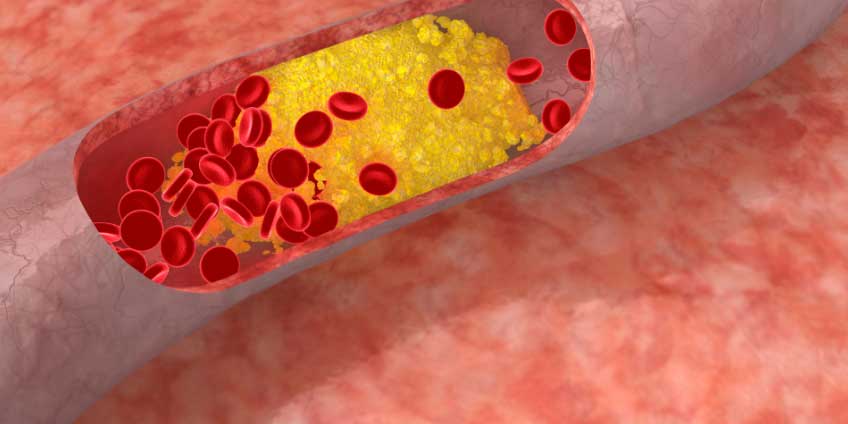
High cholesterol levels have long been associated with an increased risk of heart disease, making it a crucial health parameter to monitor. While genetics can play a role, there are various lifestyle and dietary factors that can contribute to elevated cholesterol levels. In this blog post, we'll delve into the causes of high cholesterol from a functional medicine standpoint, shedding light on how you can address and manage this condition proactively.
1. Dietary Choices:
Processed Carbohydrates and Sugar: Consuming an excess of refined, white carbohydrates and added sugars can lead to elevated triglycerides and low-density lipoprotein (LDL) cholesterol levels. These high-glycemic foods can increase inflammation and insulin resistance, driving cholesterol imbalances.
Solution: Opt for complex carbohydrates like some low-sugar fruits (like berries), plenty of vegetables, and limit sugar as well as artificial sweeteners.
Lack of Plant-Based Foods: A diet lacking in plant-based foods like fruits, vegetables, legumes, and whole grains may contribute to high cholesterol levels. These foods are rich in soluble fiber, which helps lower LDL cholesterol.
Solution: Increase your consumption of plant-based foods to promote better cholesterol balance. Aim to fill half your plate with fruits and vegetables.
2. Inflammation:
Chronic inflammation within the body can lead to changes in the arterial walls, making them more prone to plaque buildup and cholesterol retention. Factors such as a sedentary lifestyle, smoking, and a diet high in trans fats and processed foods can contribute to inflammation.
Solution: Adopt an anti-inflammatory lifestyle by incorporating regular exercise, quitting smoking, and prioritizing whole, unprocessed foods rich in antioxidants.
3. Genetics:
Genetics can play a role in your cholesterol levels, as some individuals may have a genetic predisposition to high cholesterol. Familial hypercholesterolemia, for example, is a genetic condition characterized by elevated LDL cholesterol.
Solution: While you can't change your genetics, you can manage your cholesterol levels through lifestyle and dietary modifications. If you suspect a genetic predisposition, consult a healthcare provider for guidance and regular monitoring.
4. Quality of Meat and Eggs:
Meat and eggs themselves are not the primary culprits behind high cholesterol. However, the quality of these foods matters. Meat and eggs from animals treated with pesticides, hormones, or antibiotics may contain traces of these substances, which can contribute to inflammation and cholesterol imbalances.
Solution: Opt for organic, pasture-raised meats and eggs whenever possible to reduce exposure to potentially harmful additives.
5. Lifestyle Factors:
Sedentary Lifestyle: Physical inactivity can lead to weight gain and unfavorable changes in cholesterol profiles. Regular exercise can help improve cholesterol levels by increasing high-density lipoprotein (HDL) cholesterol, the "good" cholesterol.
Solution: Incorporate regular physical activity into your routine, aiming for at least 150 minutes of moderate-intensity exercise per week.
Stress: Chronic stress can lead to unhealthy dietary choices and the release of stress hormones that may affect cholesterol levels.
Solution: Manage stress through techniques like mindfulness, meditation, or deep breathing exercises.
High cholesterol levels can result from a combination of genetic, dietary, and lifestyle factors. By adopting a functional medicine perspective, you can address these root causes and take proactive steps to manage and improve your cholesterol levels. Embracing a balanced, whole-foods-based diet, staying physically active, and managing stress can contribute to better heart health and overall well-being. Always consult with a healthcare provider to develop a personalized plan for managing your cholesterol levels.
Do you have questions about starting your path back to health? Our patient coordinator is standing by, happy to answer any questions you have to determine if our approach is right for you.

Do you have questions about starting your path back to health? Our patient coordinator is standing by, happy to answer any questions you have to determine if our approach is right for you.
mdPersonal Concierge Functional Medicine is located in Irvine, CA, and serves patients throughout Irvine and South California. These areas include but are not limited to Tustin, CA, Costa Mesa, CA, Santa Ana, CA Tustin Foothills, CA Orange, CA Newport Beach, CA Fountain Valley, CA Laguna Woods, CA Lake Forest, CA Garden Grove, CA Laguna Hills, CA Aliso Viejo, CA Laguna Beach, CA Huntington Beach, CA Westminster, CA Santa Ana, CA Anaheim, CA Long Beach, CA Riverside, CA, San Clemente, CA, Dana Point, CA, Anaheim, CA, Yorba Linda, CA, and Brea, CA.