
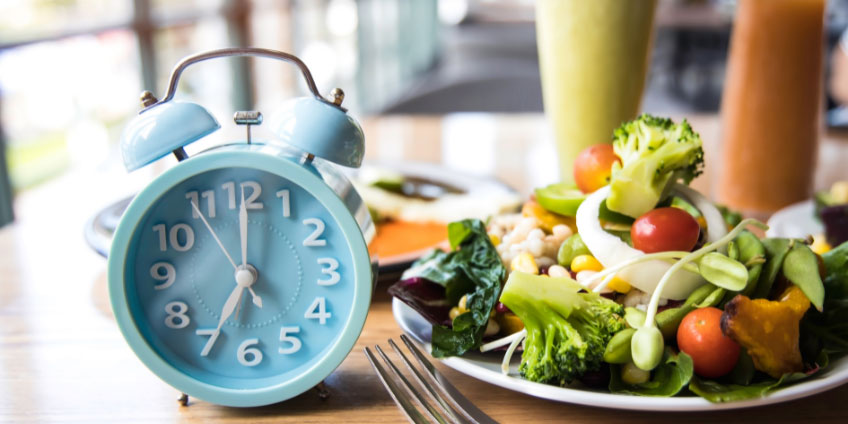
Intermittent fasting, a popular dietary approach, offers several health benefits rooted in its impact on the body's metabolism. One significant advantage is its positive influence on hormone regulation, particularly blood glucose levels. By intermittently fasting, the body becomes more efficient at managing blood sugar, which can help prevent insulin resistance and reduce the risk of type 2 diabetes. Additionally, intermittent fasting stimulates processes like autophagy, where cells remove damaged components and promote cellular renewal, contributing to overall cellular health and longevity. This fasting-induced autophagy also enhances the production of killer cells, bolstering the immune system's ability to target and eliminate harmful pathogens, offering a comprehensive approach to improving health and wellness.
Here’s the most important intermittent fasting rules.Intermittent fasting has garnered attention, often leading to misconceptions that need clarifying. One common myth is that it's solely about calorie restriction, which isn't entirely accurate. Intermittent fasting focuses on when you eat rather than how much, allowing you to consume adequate calories within a designated time frame. Another misconception is that it's a one-size-fits-all approach. In reality, the fasting window and method can vary based on individual preferences and goals, making it adaptable to different lifestyles. It's essential to dispel these myths and understand that intermittent fasting can be tailored to suit individual needs while promoting better health outcomes.
Separate your day into two blocks of time. One for eating and one for fasting.
You don’t need to obsess about calories like a lunatic with intermittent fasting. As explained above, it isn’t a content diet. It’s a meal timing diet.
As you reach the later stages of a short term fast, usually 12-16 hours per day, your body will begin increasing natural growth hormone secretion and other hormones regulating appetite and body fat. It also influences your blood sugar and how your body repairs its cells.
So when should you eat?
The first thing you want to do is decide how long you want your fast to be each day. 12 hours is a bare minimum, and optimal for first timers, and 20 hours is considered extreme.
Then all you have to do is separate your day into “eating” and “non-eating” time frames. So, if you fast for twelve hours and start eating at 8am, you have until 8pm to consume all of your daily calories.
Once you enter the “non-eating” time frame you aren’t allowed to consume any more calories until the following morning.
Intermittent fasting doesn’t require specific foods or diet to work.
Once you’ve decided how long you want to fast each day, it’s time to decide what content you want to consume. Unlike most diets, there isn’t a fixed requirement regarding the type of food you eat, although improving the quality of your food can help to control cravings, making intermittent fasting more effortless.
That said, intermittent fasting very flexible and allows it to be combined with other diet philosophies like low carb, paleo, vegetarian, and simply eating healthy.
You will want to keep a close eye on your calorie total, however. It isn’t necessary to enter a huge calorie deficit, because your hormones, blood sugar, and other weight loss factors are doing all the heavy lifting for you.
But you can’t stay in a calorie surplus and lose weight on intermittent fasting unfortunately. A minimum deficit of 200 calories is more than enough to lose weight efficiently.
Many dieters have lost weight and gotten leaner while using intermittent fasting without restricting calories. Meaning they didn’t change what they ate every day, they just followed the eating and non-eating time frames without significant changes to daily calorie totals.
The larger your calorie deficit, without experiencing low blood sugar or triggering stress hormones, the more significant weight loss you can expect.
Exercising during your non-eating time frame is recommended.
If you’ve heard the phrase “fasted workout”, it was likely part of an intermittent fasting schedule. Trying to exercise, especially if it’s cardio, can be very challenging if you’re at the later stages of a fast but it’s proven to be effective for fat loss.
Your body will have a progression of preferred resources with calories consumed being at the top of the pecking order. When you don’t have calories from a meal in your system, your body is more likely to tap into fat stores for use while exercising.
The absolute most important rule is “don’t break your fast."
It’s more important than how many calories you eat each day, or how you structure your meal timing. The core principle needed to take advantage of intermittent fasting is consecutive non-eating hours.
If you never enter this fasted state because you are constantly snacking every few hours you won’t reap the rewards of improved blood sugar, increased growth hormones secretion, and decreased appetite.
Beware of foods that are labeled zero calorie, and especially zero calorie sweeteners, as most can spike or activate blood sugar even with zero calories, that can break your fast. Drink lots of water, and include a fiber source with your meals or use a supplement to help manage hunger cravings.
Do you have questions about starting your path back to health? Our patient coordinator is standing by, happy to answer any questions you have to determine if our approach is right for you.

Do you have questions about starting your path back to health? Our patient coordinator is standing by, happy to answer any questions you have to determine if our approach is right for you.
mdPersonal Concierge Functional Medicine is located in Irvine, CA, and serves patients throughout Irvine and South California. These areas include but are not limited to Tustin, CA, Costa Mesa, CA, Santa Ana, CA Tustin Foothills, CA Orange, CA Newport Beach, CA Fountain Valley, CA Laguna Woods, CA Lake Forest, CA Garden Grove, CA Laguna Hills, CA Aliso Viejo, CA Laguna Beach, CA Huntington Beach, CA Westminster, CA Santa Ana, CA Anaheim, CA Long Beach, CA Riverside, CA, San Clemente, CA, Dana Point, CA, Anaheim, CA, Yorba Linda, CA, and Brea, CA.